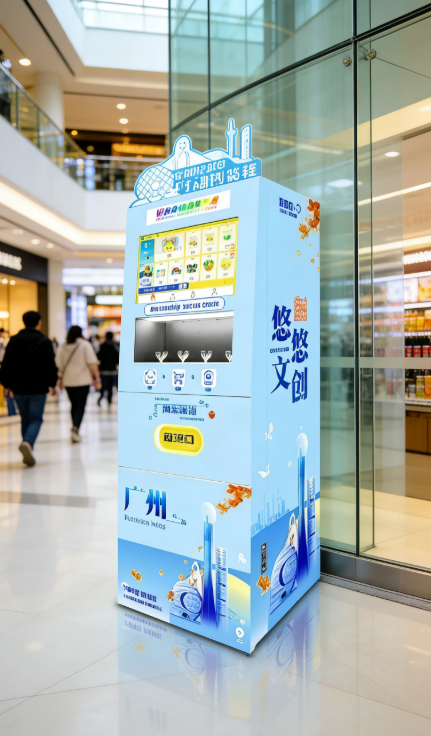
Can One Compact Attraction Increase Exit Revenue Without Adding Staff?
Washington, D.C. venues often face a common retail challenge: visitor traffic is strong, but staff time and floor space are limited. A compact Museum Souvenir Coin Machine can create an additional purchase point near the exit without requiring a dedicated salesperson. For a buyer, however, the value depends on more than automation. The equipment must suit the audience, match the venue’s identity, operate with minimal intervention, and turn the final minute of a visit into an experience worth paying for.
The first consideration is whether the machine fits the physical environment. Historic buildings may have narrow corridors, protected interiors, limited electrical access, or strict requirements for freestanding fixtures. A Scenic Spot Coin Press Machine should have a footprint that supports circulation and accessibility while still being visible from the visitor route. Buyers should request cabinet dimensions, service-clearance requirements, power specifications, and installation drawings before approving a location.
Audience behavior also affects the choice. A family leaving a museum may have only a few minutes before the next timed attraction. A tour group may depart together. A local member may browse more slowly and look for a new collectible design. A Theme Park Coin Machine can offer useful lessons in high-traffic interaction: large imagery, fast selection, obvious payment prompts, and a satisfying production moment. Cultural venues can adapt these principles without making the installation feel overly commercial.
Buyers should pay close attention to throughput. If the experience is engaging but takes too long, the machine may create a queue that blocks the exit. An Amusement Park Souvenir Machine is typically designed around repeated public use, so buyers should ask about cycle time, payment authorization speed, item capacity, and recovery after an interrupted transaction. A demonstration during realistic traffic conditions is more informative than a specification sheet.
Different institutions may require different cabinet themes and product designs. A zoo may feature animals, conservation milestones, or seasonal births. A memorial may focus on architecture, inscriptions, or anniversaries. A science center may rotate artwork with exhibitions. A Zoo Souvenir Coin Machine should support durable, recognizable designs that appeal to children, parents, educators, and collectors. The same principle applies across aquariums, botanical gardens, heritage parks, observation sites, and public attractions.
The second evaluation of a Museum Souvenir Coin Machine should focus on staffing impact. Ask how often the unit needs replenishment, how long refilling takes, which alerts are available, and whether daily cleaning can be included in an existing routine. Remote sales reporting and inventory warnings can reduce unnecessary checks. Simple access panels and clearly labeled components can help trained employees solve minor issues without waiting for a technician.
Financial planning should include the complete operating model. A second Scenic Spot Coin Press Machine quotation should separate equipment cost, customization, shipping, installation, payment processing, consumables, and support. A second Theme Park Coin Machine proposal should explain whether software updates, design changes, or remote monitoring require additional fees. This makes it easier to compare suppliers on total value rather than headline price.
Merchandising does not need to add work for frontline staff. A finished-sample display can show visitors exactly what they will receive. A short sign can connect the design to the last gallery or landmark view. A second Amusement Park Souvenir Machine concept may use a bright call to action, while a museum version may use restrained typography and archival imagery. The goal is the same: answer the visitor’s questions before they need to ask an employee.
A second Zoo Souvenir Coin Machine plan may also include a collectible series, such as one design per habitat, species, or conservation campaign. Similar series can work for museums with multiple galleries, historic districts with several sites, or cultural organizations with annual events. Collecting encourages repeat visits and can connect several attractions under one program.
For museums, memorials, theme parks, zoos, science centers, heritage attractions, scenic destinations, galleries, and visitor centers, unattended retail works best when it still feels personal. The artwork, story, and production moment must reflect the place. When those elements are combined with reliable operation and thoughtful placement, a small footprint can produce meaningful revenue without adding another staffed counter.
#Museum Souvenir Coin Machine #Scenic Spot Coin Press Machine #Theme Park Coin Machine #Amusement Park Souvenir Machine #Zoo Souvenir Coin Machine
READ MORE: