Will a Coin Experience Convert the Final Minutes of a Museum Visit?
For many Washington, D.C. museums and historic venues, the final ten minutes of a visit are commercially important but often underused. Guests may have already spent money on admission, food, or a gift-shop item, so the last purchase must feel quick, affordable, and emotionally connected to what they just experienced. A well-positioned Museum Souvenir Coin Machine can meet that need because it turns a small transaction into a personal closing ritual. The visitor is not simply buying another object; they are marking the end of a meaningful visit with something compact enough to carry home.
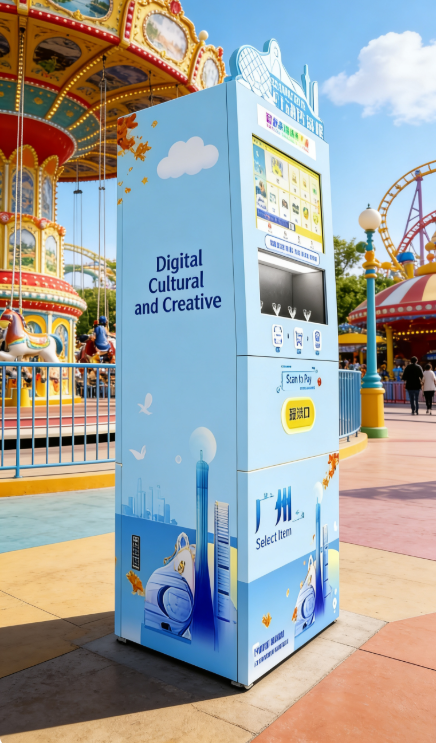
From a buyer’s perspective, the first question is whether the equipment will be visible at the right moment. A unit placed deep inside a store competes with shelves, staff conversations, and larger products. A unit positioned near the exit, coat-check return, final gallery, or queue release point can become a natural pause before departure. A Museum Coin Vending Machine should be easy to understand from several feet away, with clear pricing, simple instructions, and artwork that immediately connects to the venue. In a city where guests may visit several institutions in one day, speed matters as much as design.
The second concern is relevance. Washington visitors often arrive with a strong interest in national history, architecture, civic identity, military heritage, science, or cultural memory. Generic artwork weakens the purchase impulse. A Tourist Attraction Coin Machine performs better when each design represents a recognizable building, exhibition object, historical figure, anniversary, or local symbol. Buyers should ask whether the supplier can support rotating designs for temporary exhibitions, seasonal events, school programs, or major commemorations. Limited editions can encourage repeat purchases and give local members a reason to return.
Reliability is equally important. The final point of sale should not create frustration after an otherwise positive visit. Buyers should evaluate payment options, coin delivery consistency, jam prevention, screen durability, maintenance access, and remote status monitoring. A machine that accepts contactless payment may serve families and international tourists who do not carry cash. The second appearance of a Museum Souvenir Coin Machine in the visitor journey should feel effortless: choose a design, pay, watch the process, and receive the keepsake in under a minute.
Another purchasing issue is perceived value. A coin or medal can command more attention when the production process is visible. Movement, sound, embossing, or a short animation can create a micro-experience that children and adults want to watch. A Commemorative Medal Machine can support a higher-value offer when the material, finish, packaging, and story are clearly presented. For premium venues, the buyer may also consider a Custom Medal Vending Machine that provides branded sleeves, collector cards, or multiple finish options. These details make the item feel designed rather than dispensed.
Venue managers should also calculate operational fit. The machine must occupy little floor space, avoid blocking accessible pathways, and remain easy for staff to inspect. Electricity, network access, replenishment, cash handling, and cleaning should be reviewed before purchase. A compact unit near the exit can generate revenue beyond normal store browsing hours, but only if restocking and service procedures are simple. Buyers should request data on average transaction time, capacity, failure recovery, and expected service intervals.
Merchandising around the machine can raise conversion further. A small sign can invite visitors to “take home the symbol you just saw,” while a nearby display can show all available designs. Staff do not need to deliver a sales pitch; a brief mention during the final gallery transition may be enough. The second use of a Museum Coin Vending Machine in the plan should therefore include signage, lighting, and a defined visitor path rather than treating the equipment as a standalone object.
For operators comparing suppliers, customization and support should carry as much weight as purchase price. The second Tourist Attraction Coin Machine considered should be assessed for design flexibility, local service coverage, software updates, and reporting tools. The second Commemorative Medal Machine option should be tested for finish quality and repeatability. The second Custom Medal Vending Machine proposal should explain lead times, minimum production quantities, and how easily new designs can be introduced.
The strongest result comes when the final purchase feels like part of the exhibition narrative. In that role, the machine is not merely retail equipment. It is the last interactive moment, the last photograph opportunity, and the last emotional reminder of the visit. For museums, memorials, galleries, cultural centers, visitor attractions, heritage sites, science venues, and educational institutions, that final moment can turn departure into a memorable transaction.
#Museum Souvenir Coin Machine #Museum Coin Vending Machine #Tourist Attraction Coin Machine #Commemorative Medal Machine #Custom Medal Vending Machine
READ MORE: