Which Machine Features Matter Most in Busy Liverpool Attractions?
A museum souvenir coin system may look simple to a visitor, but buyers must evaluate a long chain of technical and operational details. Liverpool venues can experience sharp changes in footfall during school holidays, cruise arrivals, football weekends, festivals, concerts, and major exhibitions. The equipment must remain reliable when demand suddenly increases. A Coin Minting Machine should therefore be judged not only by appearance, but also by throughput, payment performance, refill access, safety, maintenance, and the consistency of every finished piece.
Prioritise stable output during peak periods
Ask the supplier how many transactions the equipment can complete per hour and whether repeated cycles affect heat, pressure, alignment, or image quality. A Coin Embossing Machine should produce the same sharp result for the first visitor and the hundredth visitor of the day. Buyers should request continuous-run test information rather than relying on a single showroom demonstration.
The blank-feeding system deserves equal attention. A Coin Molding Machine must guide each piece accurately and detect jams before they damage the mechanism. Clear stock indicators help staff refill before a concert interval, school-group departure, or cruise excursion reaches the retail area. The refill compartment should be secure, easy to reach, and separated from parts that become hot or move during operation.
Compare customisation options carefully
Liverpool’s maritime and music identity is rich, but the artwork must still be legible on a small surface. A Custom Coin Making Machine should support venue-specific dies, clear lettering, balanced relief, and designs that remain recognisable after repeated handling. Buyers should ask for templates, minimum line thickness, safe text sizes, border requirements, and approval samples.
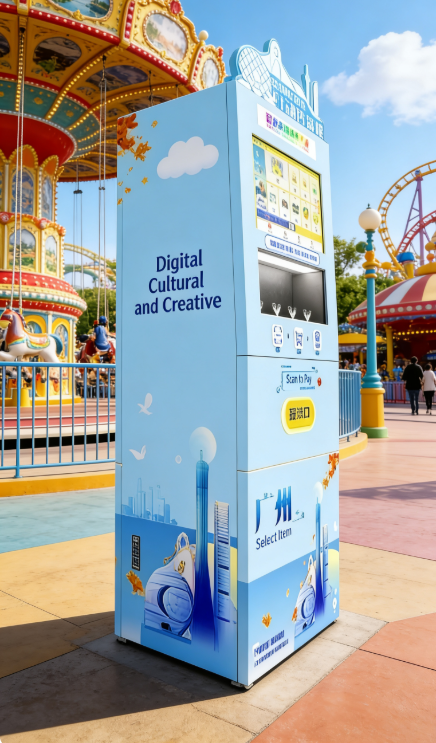
Cabinet customisation also matters. An Automated Coin Vending Machine can become part of the exhibition environment when its colours, graphics, lighting, and instructions follow the venue brand. Maritime museums may reference charts, signal flags, shipbuilding, or the River Mersey. Music attractions may use original patterns inspired by rhythm, performance spaces, or local neighbourhoods without relying on unlicensed celebrity imagery.
Review payment and reporting features
A Coin Minting Machine may accept cash, contactless cards, mobile wallets, or several methods. Buyers should confirm transaction fees, settlement timing, network requirements, offline behaviour, refund procedures, and compatibility with venue reporting. A payment system that works well in a city-centre museum may need different connectivity or security arrangements at a pier, temporary festival site, zoo, theme park, or outdoor visitor attraction.
Data can guide better retail decisions. A Coin Embossing Machine with dependable sales reporting helps managers compare designs, locations, operating hours, and seasonal demand. Useful reports should be easy to export and understand, not locked behind unnecessary technical complexity. Access controls are important so only authorised staff can view revenue or change prices.
Make maintenance practical for venue teams
Before purchase, ask for a maintenance schedule and a list of tasks venue staff can perform safely. A Coin Molding Machine should provide straightforward access for cleaning, inspection, and removal of approved blockages. Error messages need to explain the likely cause rather than display an unclear code that forces staff to call support for every issue.
For a Custom Coin Making Machine, confirm how dies are installed, aligned, stored, and replaced. If the venue plans seasonal designs, changeover should be controlled and repeatable. Buyers should also ask whether remote diagnostics are available, where technicians are based, which spare parts are stocked, and what service response applies during weekends and holidays.
Check safety, accessibility, and physical security
An Automated Coin Vending Machine should protect users from moving parts, sharp edges, electrical access, and hot surfaces. The cabinet must remain stable when children lean on it or groups gather around it. Controls, screens, and collection points should suit different heights and abilities, while instructions should use readable type, strong contrast, and simple visual steps.
Security should cover cash, payment hardware, coin stock, data access, and the machine itself. Placement near staffed zones or monitored retail areas can reduce risk without making the experience feel restricted. Anchoring, locks, alarms, and cabinet construction should match the venue environment.
The final buying decision should bring operations, retail, curatorial, technical, and visitor-service teams together. Ask them to test the Coin Minting Machine, inspect output from the Coin Embossing Machine, review the feeding system of the Coin Molding Machine, approve artwork for the Custom Coin Making Machine, and complete a full transaction on the Automated Coin Vending Machine. The best system will not be the one with the longest feature list. It will be the one that stays reliable, communicates clearly, fits the venue story, and gives museum visitors, music fans, families, tourists, and attraction operators a keepsake experience worth repeating.
#CoinMintingMachine #CoinEmbossingMachine #CoinMoldingMachine #CustomCoinMakingMachine #AutomatedCoinVendingMachine #LiverpoolVenues #AmusementEquipment #MuseumRetailTechnology
READ MORE: