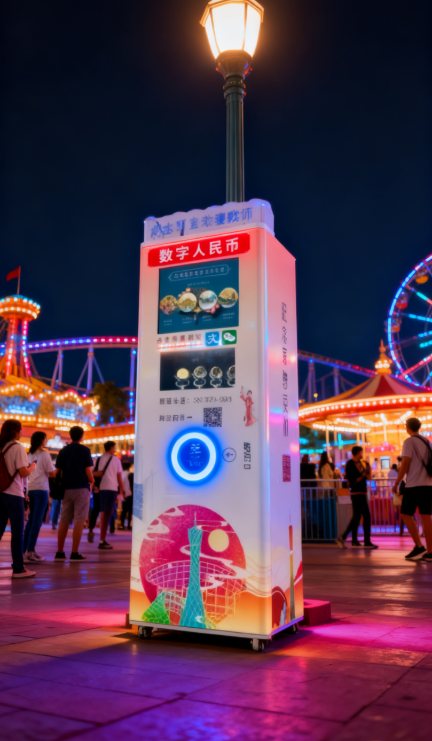
Would a Souvenir Coin Experience Fit Liverpool’s Maritime and Music Venues?
Liverpool already gives visitors powerful stories to remember: ocean liners, dock workers, migration, football chants, live music, and the sound of bands that travelled far beyond the Mersey. Yet many guests still leave with only phone photos or a generic gift-shop item. For a maritime museum, music venue, waterfront attraction, ferry terminal, or heritage visitor centre, a well-designed Museum Souvenir Coin Machine can turn that emotional moment into a small, affordable object. Before buying, however, venue operators should look beyond the novelty and ask whether the experience truly matches their audience, floor space, staffing model, and retail goals.
Start with the visitor’s reason to buy
The strongest purchase trigger is not the machine itself; it is the story pressed into the coin. A family visiting a maritime gallery may want a ship, anchor, dock crane, or skyline. Music fans may prefer a stage silhouette, guitar motif, vinyl pattern, or district landmark. A collectible coin machine works best when each design feels specific to the location rather than interchangeable with another attraction. The coin should help visitors say, “I was here, and this place meant something to me.” That emotional clarity matters more than adding too many decorative details.
Operators should also decide whether one design is enough. A rotating series can encourage repeat visits, while a choice of two to four designs can serve different customer groups: school groups, cruise passengers, local families, international tourists, concert audiences, and heritage enthusiasts. A custom souvenir coin machine can support this strategy when artwork, dies, and display panels are planned as one coordinated retail product instead of separate components.
Check whether the transaction feels effortless
Visitors often make a souvenir decision in less than a minute. The instructions must therefore be visible, multilingual where needed, and easy to understand without staff support. The payment method should suit the venue’s audience, whether that means coins, notes, cards, contactless payment, or a mixed system. A museum token machine placed near the exit, ticket queue, café, or popular exhibit can convert more interest than one hidden in a quiet corridor.
Accessibility is equally important. Controls should be reachable for children and wheelchair users, the coin collection point should be obvious, and the pressing action should feel safe and satisfying. An automatic souvenir coin machine may be especially suitable for busy venues because it reduces the physical effort required and supports faster visitor flow during school holidays, festival weekends, or cruise-ship arrival periods.
Evaluate the quality of the finished keepsake
Buyers should request real samples before approving a machine. Check edge smoothness, embossing depth, image sharpness, metal colour, weight, and resistance to handling. A Museum Souvenir Coin Machine should produce a piece that feels worth keeping in a pocket, display case, scrapbook, or child’s collection. If the result looks thin, unclear, or unfinished, visitors may see the purchase as a gimmick rather than a meaningful souvenir.
The same standard applies to consistency. Ask how the collectible coin machine performs after hundreds or thousands of cycles, how often dies need inspection, and whether blank coins can jam or misfeed. Reliable output protects the venue’s reputation and avoids refunds at the busiest moments.
Plan the design as part of the venue brand
The cabinet should look connected to the surrounding environment. Liverpool maritime locations may use deep blues, brass details, map lines, rivets, or shipping graphics. Music venues may prefer bold typography, stage lighting references, or record-inspired visuals. A custom souvenir coin machine gives operators room to align the machine with exhibition graphics, gift-shop packaging, seasonal campaigns, and sponsor partnerships.
Artwork rights also need early attention. Venues must confirm ownership or licensing for band imagery, historic photographs, logos, ship names, and architectural icons. A museum token machine can carry a powerful local identity without relying on protected celebrity likenesses; original illustrations, dates, coordinates, and symbolic objects often create a more timeless result.
Understand service, refill, and revenue expectations
Ask who refills blanks, collects cash, reviews sales, handles faults, and supplies replacement parts. An automatic souvenir coin machine should come with clear maintenance guidance, remote or local technical support, and a realistic response process. Venue teams in museums, theme parks, zoos, aquariums, piers, shopping centres, and entertainment halls need equipment that fits existing operations rather than creating a new daily burden.
Finally, estimate performance conservatively. Consider footfall, conversion rate, selling price, blank cost, payment fees, revenue sharing, and seasonal demand. The best Museum Souvenir Coin Machine is not simply the cheapest unit; it is the one that creates a smooth visitor experience, produces a desirable keepsake, and remains dependable over time. In a city where maritime memory and music culture already generate strong emotion, the right collectible coin machine, custom souvenir coin machine, museum token machine, and automatic souvenir coin machine can turn that emotion into accessible, story-led retail.
#MuseumSouvenirCoinMachine #CollectibleCoinMachine #CustomSouvenirCoinMachine #MuseumTokenMachine #AutomaticSouvenirCoinMachine #LiverpoolAttractions #MaritimeHeritage #MusicVenueRetail
READ MORE: