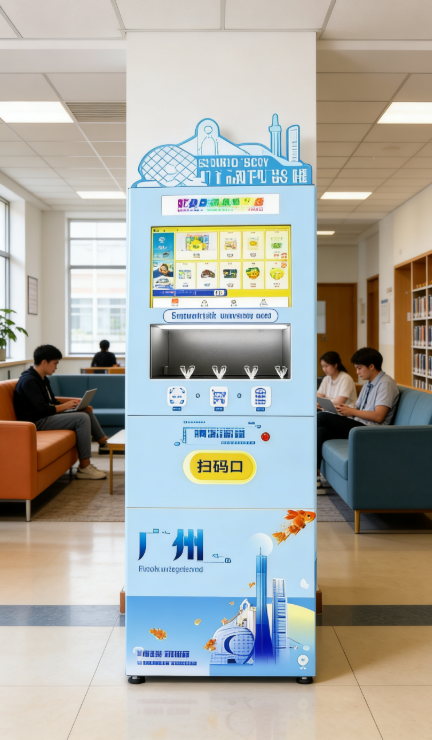
Can Custom Medallions Turn Venue Stories into Repeatable Retail Revenue?
For Liverpool attractions, the commercial value of a souvenir coin begins with meaning. Visitors do not simply buy metal; they buy a compact reminder of a ship, song, performance, landmark, family day out, or personal discovery. Buyers considering a new retail installation should therefore ask how designs will change over time, how collections will be promoted, and whether the finished object can encourage repeat visits. A carefully planned Commemorative Coin Machine can support storytelling and revenue together when the design programme is treated as an ongoing product line.
Build a collection around genuine venue stories
A maritime museum might create editions for famous vessels, dock trades, migration routes, engineering achievements, or waterfront anniversaries. A music venue could develop designs around architectural details, instruments, genres, neighbourhoods, or major moments in its own history. A memorial coin machine should commemorate stories the venue has the right and authority to tell, with respectful artwork and accurate text.
The strongest collections offer a clear reason to return. Seasonal releases, exhibition launches, anniversary editions, and location-specific designs can create anticipation without making older coins feel obsolete. A souvenir token machine can present a small series at once, allowing visitors to choose a favourite or collect the full set. Buyers should balance variety against operational complexity, because too many options can create stock and maintenance problems.
Choose a format that feels valuable at an accessible price
Size, thickness, metal tone, relief, edge finish, and packaging all influence perceived value. A Medallion Machine may produce a heavier or more formal keepsake than a traditional pressed souvenir, making it suitable for premium exhibitions, historic ships, concert halls, visitor centres, and corporate hospitality areas. The selling price should remain easy to understand and appropriate for spontaneous purchase.
A Medallion Press Machine can also support tiered retail. The machine may sell the standard piece, while the gift shop offers presentation cards, collector folders, display capsules, or boxed sets. This approach serves casual tourists, children, serious collectors, museum members, and gift buyers without requiring every customer to pay a premium.
Design the cabinet as part of the experience
A Commemorative Coin Machine should look connected to the story being sold. Maritime venues can draw on brass instruments, ship plates, navigation charts, riveted steel, or dockside signage. Music locations can use stage-inspired lighting, poster typography, sound-wave graphics, or record-sleeve proportions. The aim is not decoration for its own sake, but a clear visual promise that the coin belongs to this place.
The same principle applies to a memorial coin machine in solemn or historically sensitive settings. Lighting, sound, copywriting, and placement must respect the atmosphere. A quiet, dignified presentation may be more appropriate than bright amusement-style effects. Buyers should involve curators, retail teams, accessibility specialists, and brand managers early in the design process.
Plan editions, stock, and promotion together
A souvenir token machine will not create a collecting habit by itself. Visitors need to know that other designs exist, when new ones will appear, and where they can find them. Venue maps, ticket confirmations, social posts, gift-shop displays, and exhibition labels can all support discovery. Cross-promotion between a maritime museum, ferry terminal, music attraction, zoo, aquarium, theme park, or partner heritage site may encourage visitors to collect across Liverpool.
For a Medallion Machine, buyers should ask how quickly new dies can be produced, what minimum order applies, how artwork is approved, and whether old editions can be retired cleanly. Numbered release periods or clearly dated designs can add collectability without claiming artificial rarity.
Measure more than immediate sales
A Medallion Press Machine can contribute to revenue, but it can also increase dwell time, social sharing, gift-shop visits, and membership conversations. Venues should track unit sales, design popularity, refill frequency, payment method, downtime, and seasonal patterns. Short visitor surveys can reveal whether the coin improved the overall experience and whether customers would look for another design elsewhere.
Before buying, operators should map a full twelve-month programme: launch design, seasonal edition, partnership opportunity, stock forecast, maintenance plan, and promotional calendar. Then compare how the Commemorative Coin Machine, memorial coin machine, souvenir token machine, Medallion Machine, and Medallion Press Machine support that plan. When the machine, artwork, and retail strategy work as one system, Liverpool’s maritime and music stories can become affordable objects that visitors genuinely want to keep, share, and collect again.
#CommemorativeCoinMachine #MemorialCoinMachine #SouvenirTokenMachine #MedallionMachine #MedallionPressMachine #LiverpoolCulture #VenueMerchandise #CollectibleRetail
READ MORE: